I Read Every Brand Deal Guide Online Before Writing My Own. Here’s What Actually Works
I Read Every Brand Deal Guide Online Before Writing My Own — Here’s What Actually Works 💌👑
💰 Brand Deals 📋 Media Kits 🤝 Creator Income 🛠️ Free Resources
📅 August 2026 · ☕ 11 min read · ✍️ ghall184
Every creator hits the same wall eventually: you’ve got real content, real engagement, maybe even a following that brands would love — and you still have no idea how to actually get a brand deal. Not “I saw an influencer post a code,” but a real, paid, negotiated partnership.
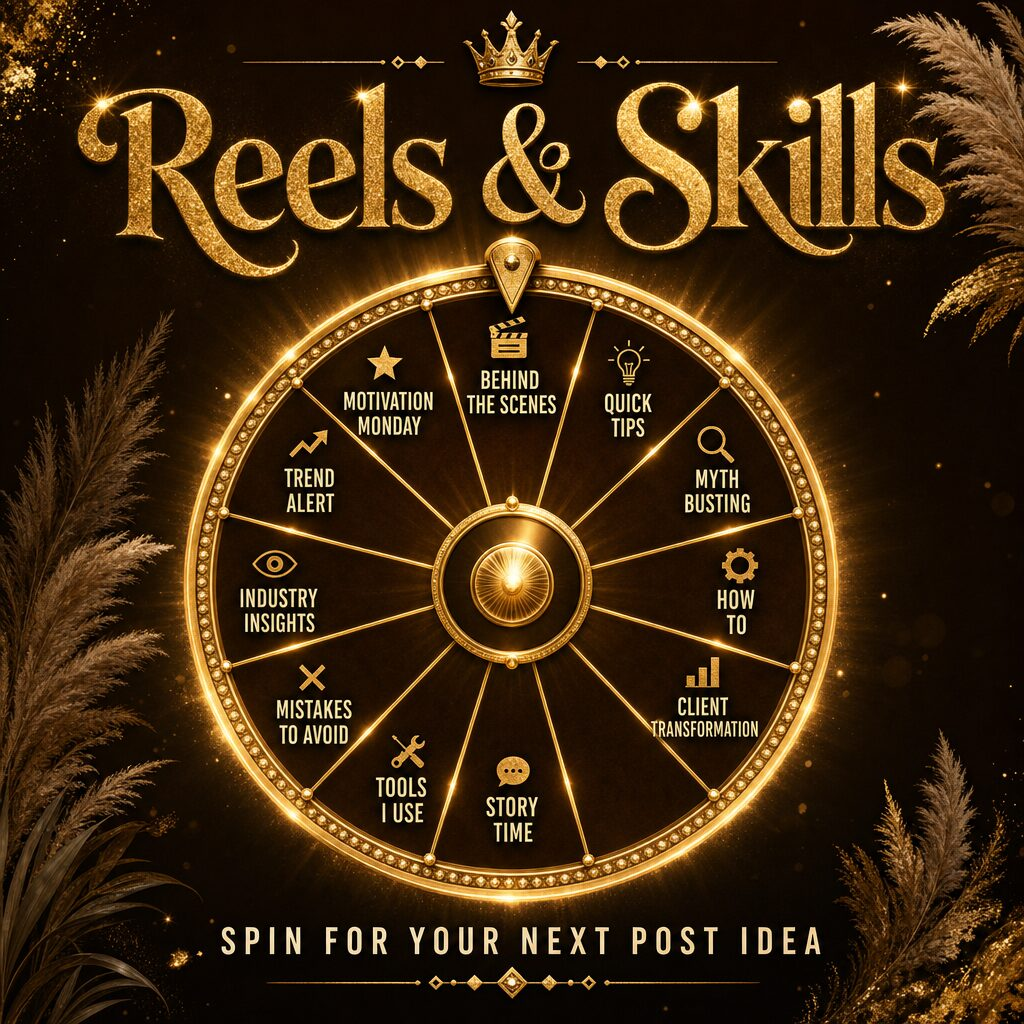
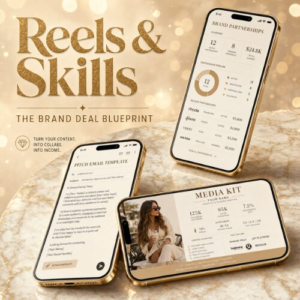
I spent months piecing this together the slow way — cold DMs that went nowhere, a media kit that looked like a Canva template because it was one, and a couple of deals I definitely underpriced. So I put everything I wish I’d known into one guide: Reels & Skills: The Brand Deal Blueprint.
Here’s what’s actually in it, and the short version of what changed once I stopped guessing.
The Follower Count Myth That’s Costing You Money
The biggest mental block I had to get over was believing brand deals only happen once you hit some magic follower number. They don’t. Brands care about engagement, niche fit, and content quality — a creator with 2,000 highly engaged followers in a specific niche is often a better deal for a brand than one with 50,000 disengaged ones.
The Blueprint walks through how to calculate and communicate your actual value at any follower count, so you’re not applying a big-account pitch to a small-account audience (or worse, underselling a genuinely strong audience because the follower number feels small).
What’s Actually Inside
The guide is 39 pages across 13 chapters, and it’s built to be used, not just read once and forgotten:
- Finding brands actively looking for creators — where to look beyond just waiting for a DM
- Building a media kit that doesn’t scream “template” — the actual structure that gets opened and read
- Pitch email templates — copy, customize, send the same day
- Rate negotiation scripts — how to ask for more without the conversation feeling awkward
- Contract red flags — the clauses that quietly cost creators money or rights
- Scaling from one-off deals to ambassador income — the shift that actually stabilizes creator income
- A curated list of 100 brands that work with small creators, so you’re not starting from zero
- Rate card template, contract checklist, and media kit checklist included as bonuses
Why I Built It Around “Faceless-Friendly” Pitching
A lot of brand deal advice online assumes you’re pitching as a personal, on-camera influencer — “share your story,” “let your personality shine through the pitch.” That doesn’t map cleanly onto a faceless brand, where your value proposition is different: consistency, niche authority, and content quality, not personal charisma.
The Blueprint’s pitch templates and media kit structure are built to work whether you’re pitching as a personal brand or a faceless one — which matters a lot if, like me, you’re running multiple faceless pages and need pitch materials that don’t rely on “here’s a photo of me holding your product.”
How to Use It If You’re Just Starting Out
If you’ve never pitched a brand before, don’t try to implement all 13 chapters this week. Here’s the order I’d actually work through it in:
- Chapter on understanding your value — do this first, before you pitch anyone, so your rate card isn’t a guess.
- Media kit chapter — build this once, update it quarterly.
- Pull 10 brands from the curated list that actually fit your niche — don’t mass-pitch the whole 100.
- Send your first 5 pitches using the email templates, customized with specifics about the brand, not just your own stats.
- Once you land a reply, go back to the negotiation and contract chapters before you say yes to anything.
Setting Up to Look Like a Real Partner, Not a Hobbyist
Part of landing brand deals is showing up prepared — a clean pitch is only half the equation if your actual content samples or workspace look thrown together. A few things that made a real difference once I started pitching seriously:
Ring light with adjustable color temperature — brands reviewing your content samples notice lighting quality before almost anything else.
Wireless all-in-one printer — for printing and signing physical contracts quickly when a brand needs something turned around same-day.
Desk organizer for PR samples and mailers — once brand samples start arriving, having a system for them keeps unboxing content looking put-together instead of chaotic.
Business planner with goal tracking — I use mine specifically for tracking outreach: who I pitched, when, and follow-up dates. Half of getting a yes is simply not forgetting to follow up.
As an Amazon Associate I earn from qualifying purchases — linked to current options in each category so you can pick what fits your setup and budget.
More on Building a Full Creator Income Stack
Brand deals are one revenue stream, but the creators who actually stabilize their income are running two or three at once. A few other posts on the blog cover the rest of the stack:
- I Started a Faceless YouTube Music Channel With Zero Followers — Here Is Exactly What I Did in Week One — for the audience-building side that makes brands want to work with you in the first place.
- The Only 5 Digital Products Worth Selling on Etsy Right Now in the Second Half of 2026 — a revenue stream that doesn’t depend on brands saying yes to you.
- How to Start a Print-on-Demand Business With Printify — Complete Beginner’s Guide — another income stream to run alongside brand partnerships rather than instead of them.
Get the Blueprint
If you’re ready to stop guessing and actually pitch with a system behind you, Reels & Skills: The Brand Deal Blueprint is $29.99 and includes the rate card template, contract checklist, media kit checklist, and the list of 100 brands, on top of the full 13-chapter guide.
Landing your first brand deal doesn’t take a huge following. It takes knowing what to send, who to send it to, and what your content is actually worth.